If you are trying to work out the difference between SDA and SIL, here is the short answer.
SDA is the house. SIL is the help inside it.
They are two different things, funded separately, assessed separately, and now regulated separately. They are often talked about together because many people have both, which is exactly why they get confused. Below is what each one actually means, in plain English.
What SIL is
Supported Independent Living, or SIL, is funding for support workers to help a person with everyday tasks in their home.
That can mean help with personal care, cooking, cleaning, shopping, medication, and building the skills to do more independently over time. It can be delivered in a shared home with other participants, or to someone living alone.
Two things about SIL surprise people.
The first is that SIL does not pay for the house. It does not cover rent, bills, or the property itself. It pays for the people.
The second is that SIL is for a high level of support. The NDIS describes SIL as support or supervision across 24 hours a day, seven days a week. If someone needs a few hours of help a day or a week, that is usually funded as assistance with daily life rather than SIL. Both are real supports. They are just not the same one.
SIL sits inside the core supports budget of an NDIS plan.
What SDA is
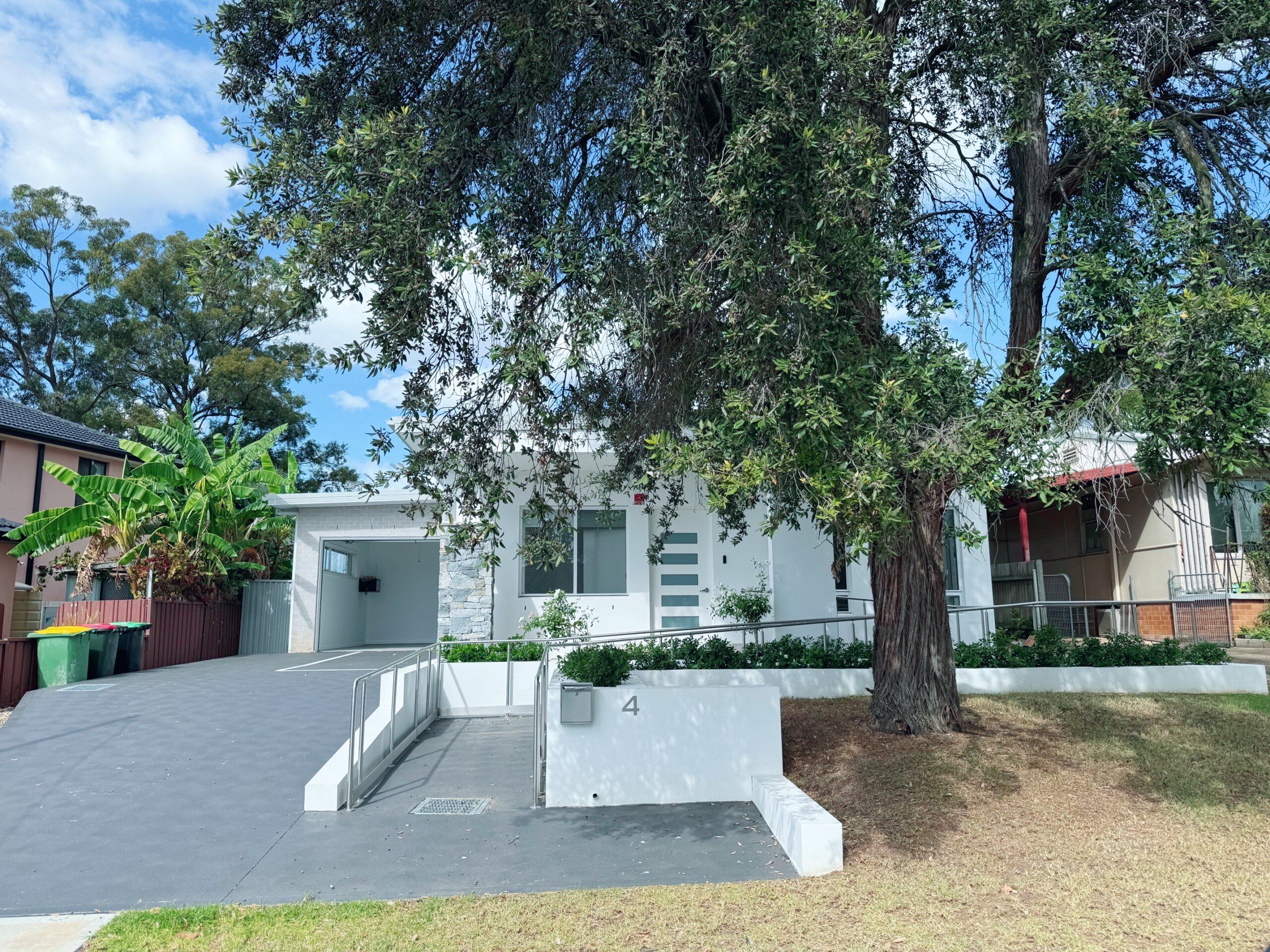
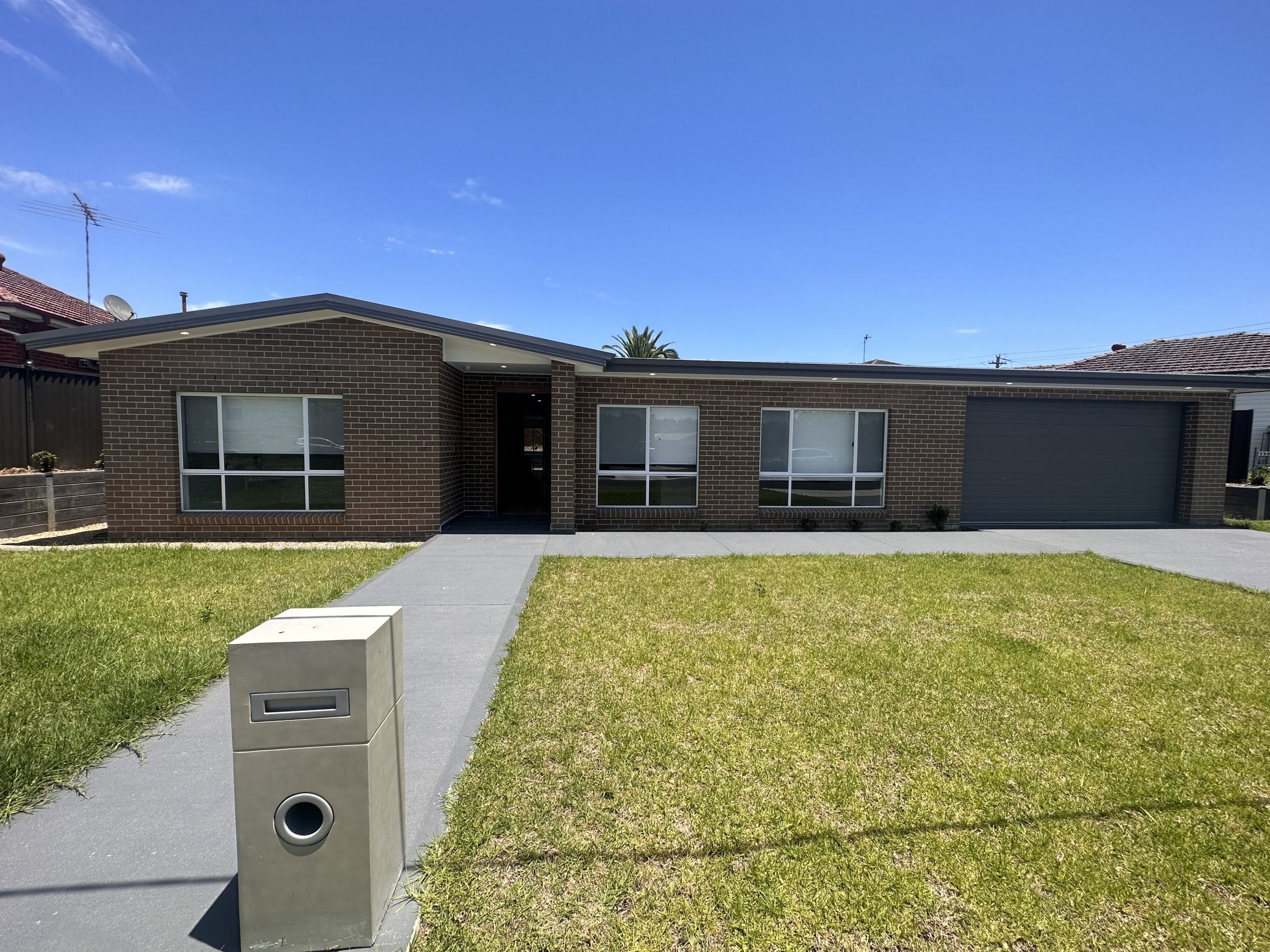
Specialist Disability Accommodation, or SDA, is the building.
It is housing that has been designed or modified for people with very high support needs or significant functional impairment. That can mean step-free access throughout, wider doorways and corridors, hoist provisions, reinforced walls, home automation, or design features that make overnight support possible.
SDA is funded as a separate housing payment in a participant’s plan, and it goes toward the dwelling itself. It does not pay for any support workers.
Not every accessible home is SDA. SDA dwellings are formally enrolled with the NDIS and must meet specific design requirements, and only a small proportion of NDIS participants are funded for it.
Why they are kept separate
Here is the part that matters most, and the part almost nobody explains.
Because SDA and SIL are two separate funding streams, a person can have one without the other. There are four possible combinations.
Someone can have both, which is the most common arrangement in a shared supported home. Someone can have SDA without SIL, living in a specialist home with family or informal supports doing the rest. Someone can have SIL without SDA, receiving high-level support in a private rental, a family home, or social housing. And someone can have neither, with their needs met through other supports.
Keeping them separate is not paperwork. It is choice.
If your home and your support come as one inseparable package, then being unhappy with your support workers means moving house. Because they are separate, a person can change support provider without leaving home, or move home without losing the team they trust.
Why the difference matters in practice
Three practical reasons.
They are assessed differently. SDA needs substantial evidence, usually including allied health assessments, showing that ordinary housing will not meet the person’s needs long term. SIL is assessed on the level of daily support required. Being approved for one does not mean being approved for the other.
They are funded differently. SDA sits as a housing payment. SIL sits in core supports. They are not interchangeable and one does not come out of the other.
And they can be delivered by different organisations. The company that owns the house is not necessarily the company that provides the support. Sometimes they are the same. Sometimes they are not. It is a fair question to ask any provider directly.
What is changing in 2026
One change is worth knowing about, because it affects SIL and not SDA.
From 1 July 2026, providers delivering SIL must be registered with the NDIS Quality and Safeguards Commission. Existing unregistered SIL providers can continue during a transition period, but they must apply for registration by 1 October 2026 or stop delivering SIL. A new registration group, 0138 Assistance with supported independent living, has been introduced, and new Practice Standards specific to SIL apply.
For participants, the NDIA has been clear that plans and funding do not change because of this. If a provider is already registered, nothing changes. If a provider is not registering, the participant will need to move to one that is.
There is no equivalent change for SDA providers. Registration requirements for SDA are unchanged.
If someone you support receives SIL, it is a reasonable thing to ask their provider directly: are you registered, or have you applied.
How My Carers fits
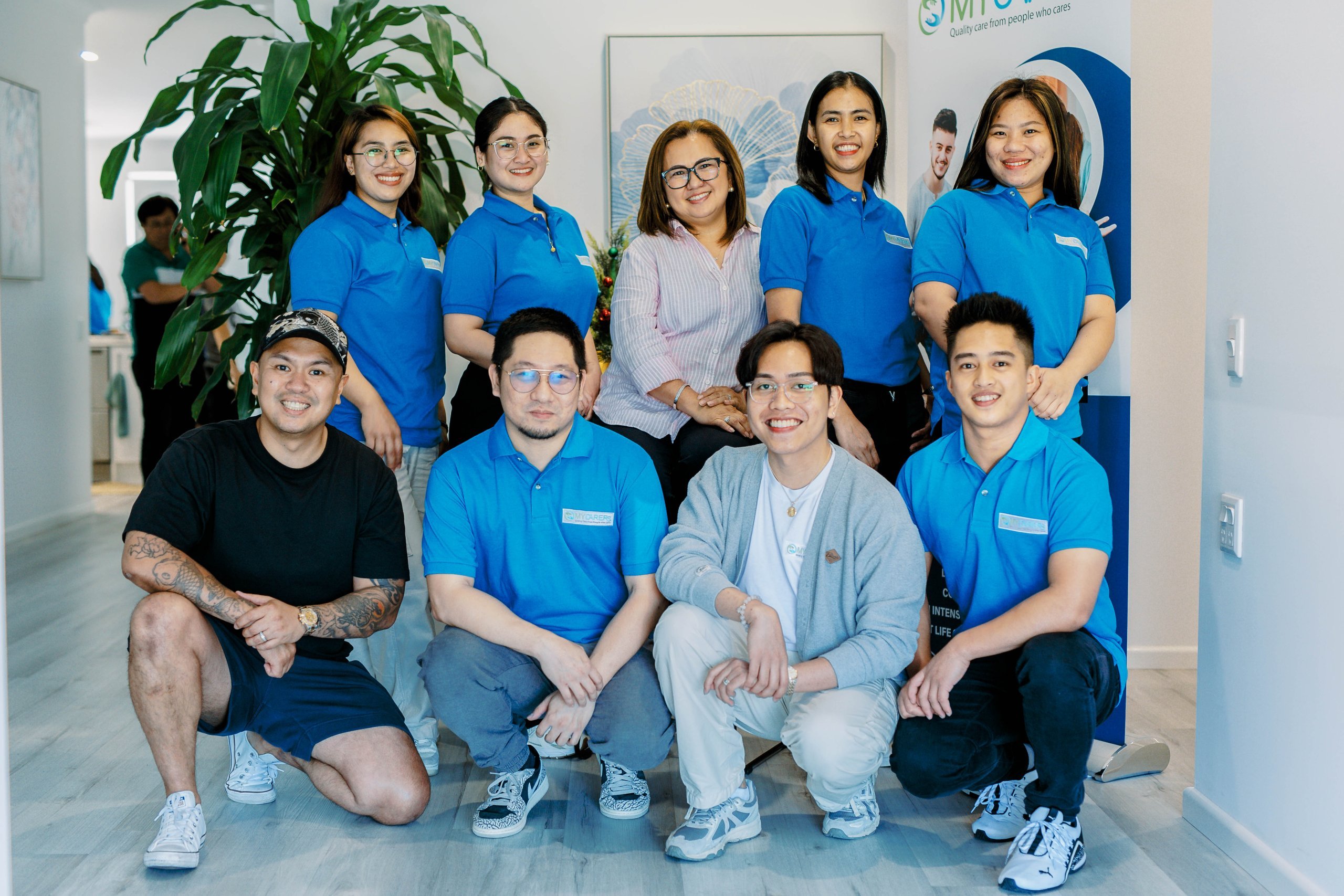
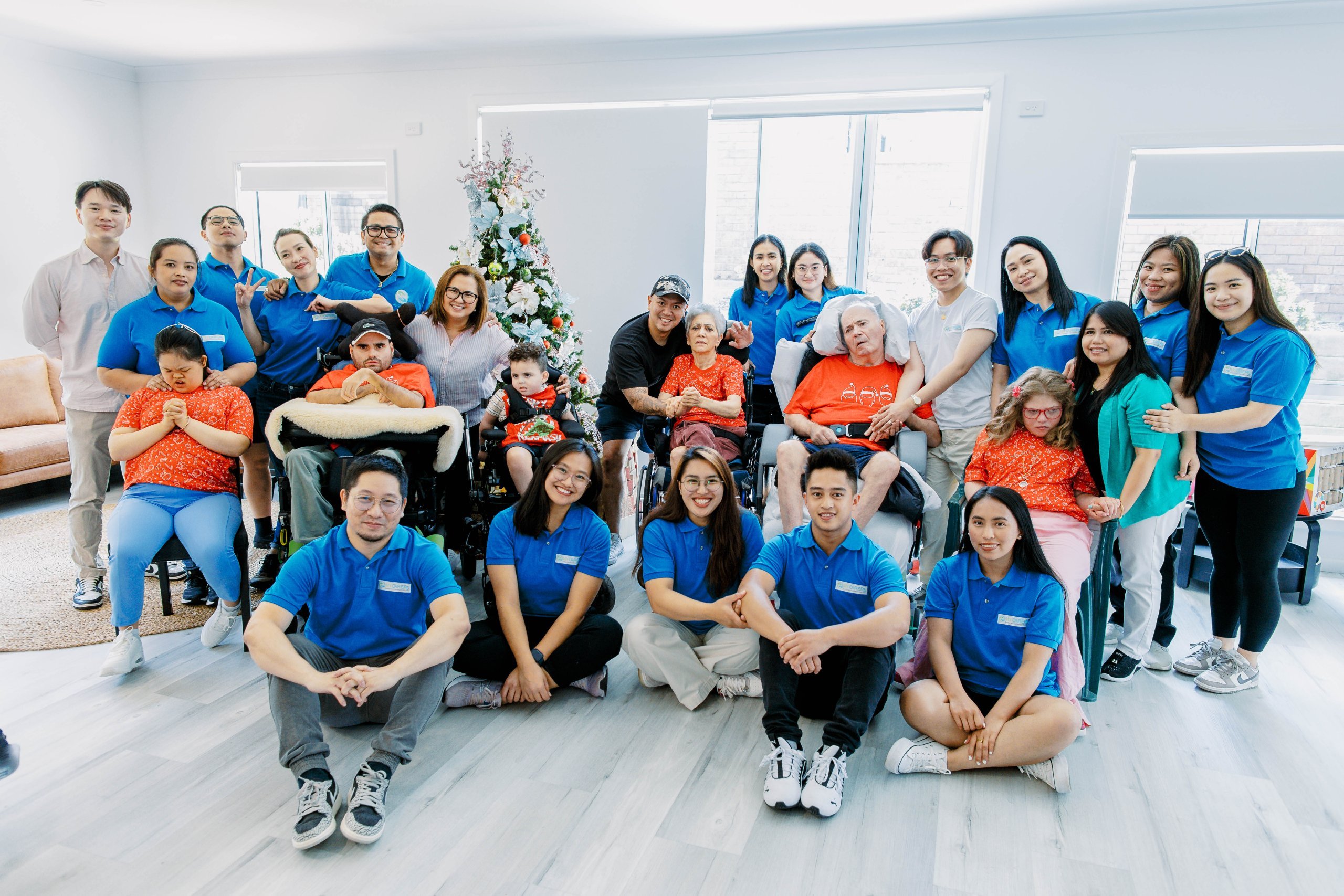
My Carers is a registered NDIS provider in Southwest Sydney, operating homes across Liverpool, East Hills and Fairfield West, including SDA homes.
We run our homes ourselves rather than brokering someone else’s property, and the same nurse-led team that oversees a home supports the people living in it. That does not remove a person’s right to choose their supports separately, and it should not. It simply means that when housing and support do sit with one organisation, the two sides of the conversation are actually talking to each other.
If you are working through home and living options for yourself, a family member, or a participant you support, you are welcome to visit a home and meet the team before making any decision.
This article explains how SDA and SIL work in general. It is not advice about any individual’s plan or eligibility. For decisions about a specific plan, speak to the NDIA, a support coordinator, or a Local Area Coordinator.
Official Sources
NDIS, What is supported independent living (SIL)
https://www.ndis.gov.au/participants/home-and-living/types-home-and-living-supports/what-supported-independent-living-sil
NDIS, Guide to your NDIS home and living options
https://www.ndis.gov.au/participants/home-and-living/exploring-home-and-living-options/guide-your-ndis-home-and-living-options
NDIS, Mandatory registration for Supported Independent Living (SIL) and NDIS digital platform providers
https://www.ndis.gov.au/news/11561-mandatory-registration-supported-independent-living-sil-and-ndis-digital-platform-providers
NDIS Quality and Safeguards Commission, Supported accommodation
https://www.ndiscommission.gov.au/rules-and-standards/quality-practice/supported-accommodation
NDIS Quality and Safeguards Commission, Mandatory registration and transition pathways for supported independent living (SIL)
https://www.ndiscommission.gov.au/about-us/ndis-commission-reform-hub/mandatory-registration/mandatory-registration-SIL